

Why Teaching Feels Outdated—And How to Fix It
The Traditional Education System is Failing the Next Generation. Here’s How to Adapt, Innovate, and Thrive.


The Crisis in Modern Education
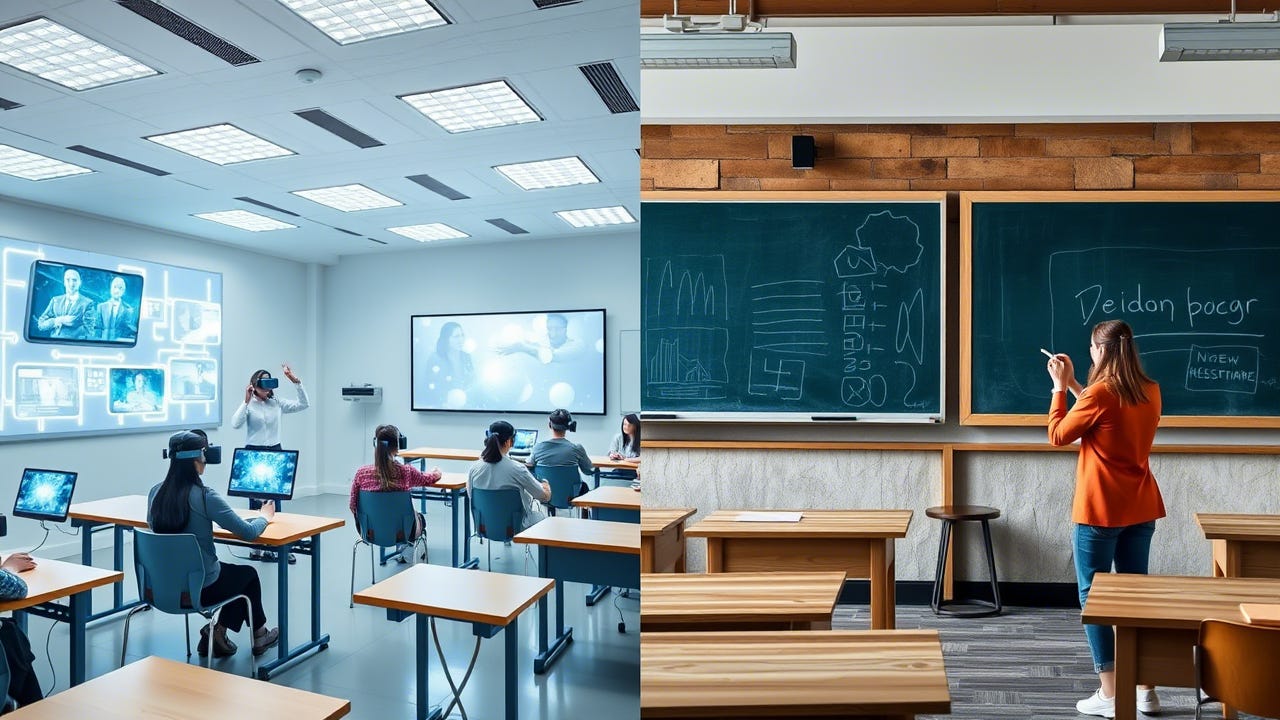
The world is changing faster than ever. Technology evolves daily, jobs transform overnight, and entire industries rise and fall in just a few years. Yet, the way we teach has barely changed in decades.
Students sit in rows, memorize facts for tests, and follow rigid curriculums—while the real world demands creativity, adaptability, and digital fluency.
If you’re a teacher, graduate, aspiring digital coach, or micro-entrepreneur, you’ve probably felt this disconnect.
Why does traditional teaching feel outdated?
And more importantly—how can we fix it?
This article will explore:
✅ Why the old education model is broken
✅ The skills students really need today
✅ How digital coaching & micro-entrepreneurship are replacing outdated teaching
✅ Actionable steps to stay relevant in the new economy
Let’s dive in.
1: Why Traditional Teaching Feels Outdated
1. The World Moved On—But Schools Didn’t
Fact: 65% of today’s grade-school kids will work in jobs that don’t even exist yet (World Economic Forum).
Problem: Schools still teach like it’s 1985—memorization, standardized tests, and rigid structures.
Result: Students graduate unprepared for real-world challenges.
2. The Rise of Digital Learning (And Why Classrooms Can’t Compete)
YouTube, podcasts, and online courses offer better, faster, cheaper education than most schools.
Example: A kid can learn coding on YouTube for free—while schools still struggle to integrate tech.
3. The "Degree vs. Skills" Debate
Employers now prioritize skills over degrees (Google, Apple, and Tesla no longer require college diplomas).
Yet, schools still push expensive degrees with questionable ROI.
4. Teachers Are Burned Out & Undervalued
Overworked, underpaid, and trapped in bureaucratic systems.
Many talented educators are leaving for digital coaching, freelancing, and online education—where they have freedom and financial upside.
2: The Skills That Actually Matter Now
The future belongs to those who can:
✔ Think critically (not just memorize)
✔ Adapt quickly (AI, automation, and gig economy)
✔ Communicate & sell ideas (personal branding, storytelling)
✔ Leverage technology (AI tools, digital marketing, remote work)
✔ Solve real problems (entrepreneurship > job security)
Case Study: The Digital Coach Who Replaced a Classroom
Sarah, a former teacher, started a side hustle teaching resume writing on Instagram.
Within a year, she replaced her salary by coaching professionals online.
Lesson: You don’t need a school to teach—you need a laptop and expertise.
3: The Future of Education (And How to Be Part of It

1. From Teacher to Digital Coach
Why? More freedom, income, and impact.
How? Package your knowledge into online courses, coaching, or memberships.
2. Micro-Entrepreneurship: The New Side Hustle for Graduates
No more "get a job, climb the ladder."
Instead: Start small (freelancing, e-commerce, content creation).
Example: A grad makes $5K/month selling Notion templates online.
3. Leadership in the Digital Age
Old leadership: Command and control.
New leadership: Inspire, empower, and build communities.
4: How to Stay Relevant (Action Plan)
For Teachers:
Start an online course or coaching business.
Use AI tools (ChatGPT, Canva) to create content faster.
For Graduates:
Skip the "perfect job" myth. Build skills, not just a resume.
Monetize your knowledge (TikTok, blogging, freelancing).
For Aspiring Digital Coaches & Entrepreneurs:
Pick one skill you’re good at.
Teach it online (Instagram, YouTube, email newsletters).
Scale it (courses, consulting, automation).
The Education Revolution is Here
The old system is crumbling. But that’s good news—because now, anyone can learn, teach, and earn on their own terms.
Your move. Will you wait for the system to change? Or will you adapt, innovate, and lead the change?